The market for solar variometers is growing, with prices varying from single to double. However, behind technical specifications that appear similar lie real differences in design.
Here is a 5-point technical breakdown to help you make the right choice and avoid the traps of low-cost alternatives.
1. Solar expertise & durability
As a pioneer in solar technology for the past 15 years, Stodeus fits its instruments with high-end SunPower monocrystalline cells, encapsulated in an ultra-resistant coating. They perform perfectly in low light conditions and do not lose efficiency over time.
Low-cost alternatives use polycrystalline cells under epoxy resin: Polycrystalline cells are known to lose efficiency quickly, and the device will need to be recharged via USB after a few seasons. The epoxy resin scratches and tarnishes very quickly.
➡️ A low-quality polycrystalline epoxy cell can be recognised by its rounded, shiny shape and its blue bands with a faceted appearance (like a mosaic of crystals), in contrast to the flat shape and deep, perfectly uniform black colour of high-end monocrystalline cells.
2. Acoustic comfort & Accessibility
Acoustic comfort is crucial for preventing mental fatigue during a flight.
Stodeus instruments benefit from in-depth acoustic research (a dedicated amplifier and resonance chamber for a full, balanced and pleasant sound, even in the cockpit, far from the ears) and smart features (silent mode on the ground, USB-C headphone socket).
Budget options rely on a basic, untuned buzzer. As a result, the volume remains low (even when set to maximum) and the sound is often harsh, monotonous, and tiring over long flights.
3. Ecosystem: Open Freedom vs. Locked Systems
Standalone and multi-profile configuration: Stodeus variometers can be configured directly on the device or via the configuration app BipLink, which is freely accessible without the need to create an account (you can even try it out before buying).
What’s more, you can fully customise your vario curves for the BlueBip and theUltraBip. Stodeus also offers ready-to-use vario profiles from well-known competitors and adventurers, as well as emulations of vario profiles from rival products.
Finally, Stodeus allows you to configure up to three different flight profiles (e.g. Solo, Tandem, Hike & Fly). Stodeus instruments are the only ones on the market to offer this choice of profiles at start-up.
Freedom & no constraints: Other instrument brands that offer a logbook restrict access to their own customers only.
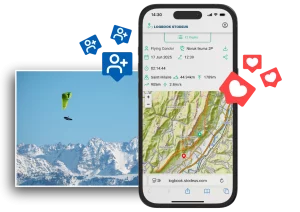
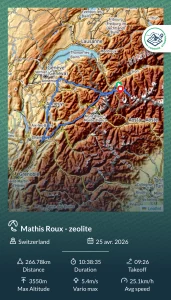
The Stodeus LogBook is free and open to everyone. Pilots can upload GPS tracks from any device on the market to share their flights with their community.
Maximum connectivity: Stodeus Bluetooth instruments integrate with all flight apps (XCTrack, FlySkyHy, etc.), ActiveLook smart glasses and even theApple Watch (via the Tracerlink app) for an unbeatable ultralight display!
4. Innovation & exclusivity
💎 Stodeus stands out thanks to an exclusive innovation that is unique on the market: the Voice Assistant from theUltraBip.
Designed to completely free the pilot's gaze, this technology provides you with your key flight data (altitude, ground speed, climbrate, heading, etc.) on demand or at regular intervals, in every language in the world.
No need for a bulky screen: you can stay focused on flying, with a level of comfort and flight safety that no competitor can match.
Summary
At first glance, an entry-level vario might look like an attractive option.
But when you factor in exhausting acoustics, a solar cell that ages poorly, and a locked ecosystem, the long-term math rarely adds up.
By choosing an instrument designed and manufactured in France using premium components and technologies, you invest in durability, freedom and unrivalled flying comfort.
Happy flying! 🌞